
Abstract Art vs. Traditional Western Art: Different Ways of Experiencing Place
Jackson Hole has long been known for its rich artistic heritage. From sweeping landscapes to wildlife paintings and scenes inspired by ranching culture, Western art has played an important role in preserving the stories, history, and character of the American West.
As an artist living and working in Jackson Hole, I have immense respect for that tradition. I love walking through the galleries and seeing what life used to look like here. It’s beautiful and raw.
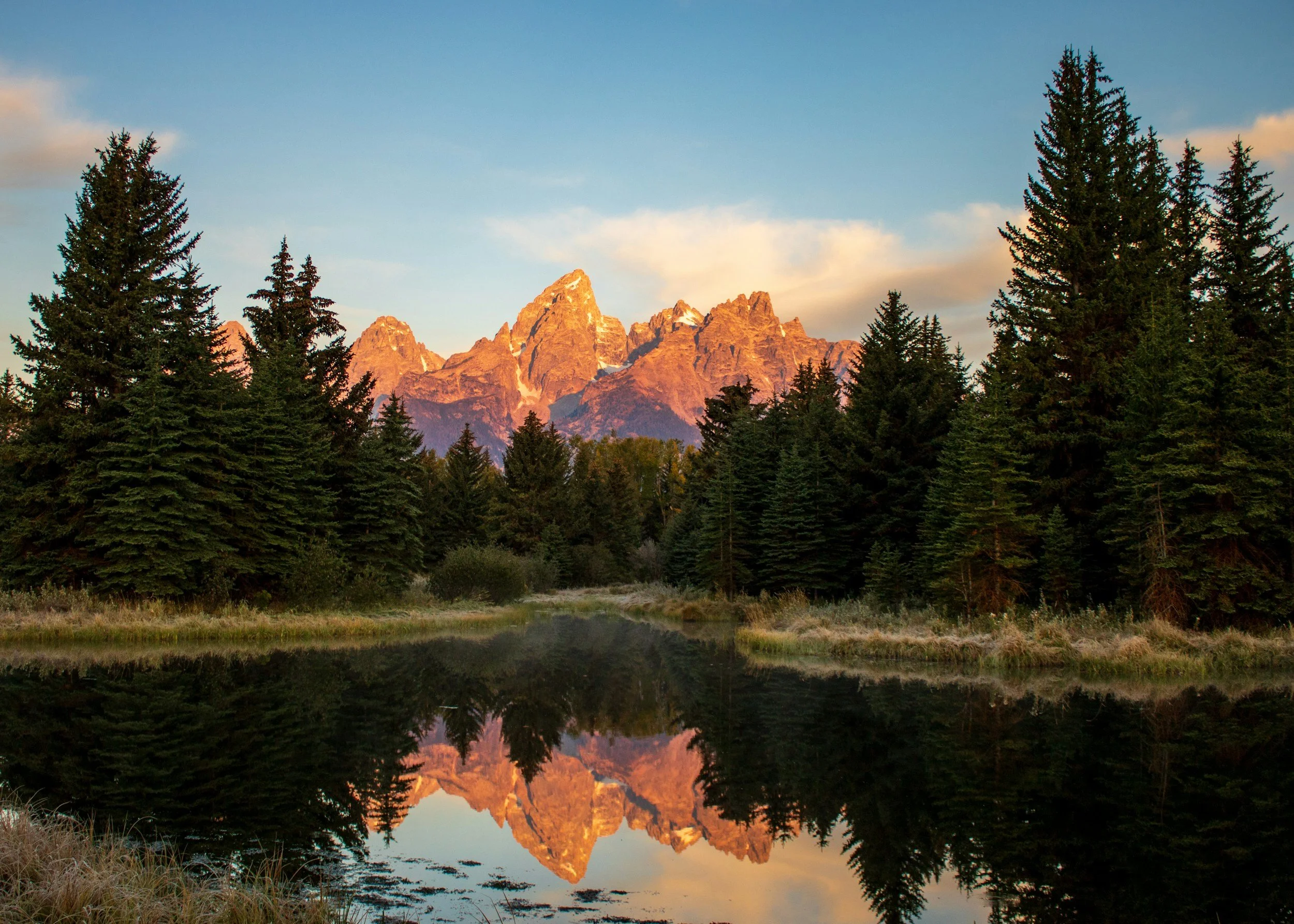
One of the reasons Western art continues to resonate with collectors is its ability to tell stories. A painting of a rider crossing an open landscape or a mountain illuminated by evening light both capture a specific moment in time. These works help preserve cultural history and celebrate the landscapes that make the West unique. For many collectors, that direct connection to place is exactly what draws them to Western art.
Yet my own work takes a different approach. Rather than painting what a place looks like, I'm interested in exploring what a place feels like.
A Different Question
Traditional representational art often begins with observation. The artist asks: What am I seeing? and paints that.
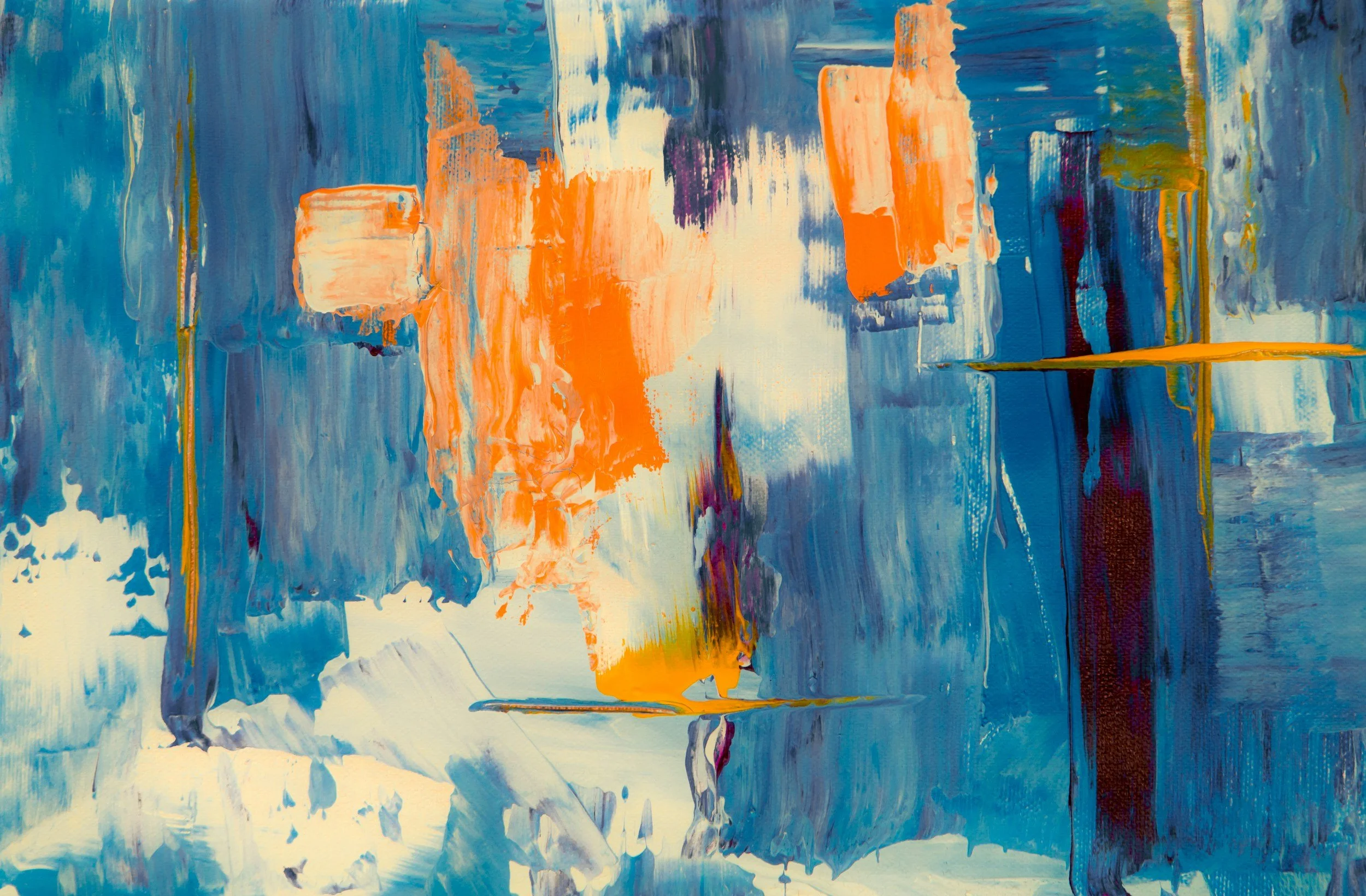
Abstract art, on the other hand, begins somewhere else. The question becomes: What am I experiencing? Thus, a landscape can inspire a painting without ever appearing in the finished work. As an example, think about the feeling of standing beneath towering mountains or the energy of a bustling market farmer’s market downtown; those can both become the starting point for abstraction. Through the use of color, texture, forms, light, and more, the goal becomes about translating an experience.
Painting Experience Rather Than Description
Many of the influences behind my work come from travel, movement, memory, and a deep curiosity about the world. I realized that so many experiences stary with me after I leave a place and I was really interested in putting that perspective onto canvas. Not to recreate what the place looked like, but more to remember how it changed my perspective.
This morning, I wrote down a few things I love about new places:
The amazement that comes from seeing a giant waterfall in the backcountry.
Smelling croissants as I bike past a cafe.
A conversation with someone whose life looks entirely different from my own.
The feeling of standing somewhere that reminds me how vast the world really is.
Those moments often find their way into my paintings not as literal depictions, but through layers of texture, shifting color relationships, gestural marks, and surfaces that suggest movement. It’s not always easy to create this way (as someone who has typically painted realism) but hopefully, the finished work captures an emotional response to it.
Why Collectors Connect with Abstract Art
One of the things I love most about abstract art is that it leaves room for personal interpretation. A representational painting tells us what we are looking at, while an abstract painting invites us into a conversation. You may or may not like it, and that’s totally fine. Two people can stand in front of the same piece and have completely different experiences because they have different lived experiences. Neither is right or wrong.
One of the coolest parts of abstract work is that looking at it over time, the work can continue to reveal new meanings as the viewer brings new experiences to it. For many collectors, that openness is part of what makes abstract art so compelling because it evolves alongside the person living with it.
My Relationship With Place
Although my work is abstract, place remains central to everything I create. Living in Jackson Hole has shaped the way I move through the world. The culture here values exploration, adventure, and a deep connection to the natural environment. Those qualities continue to influence my perspective, even when the finished painting contains no recognizable landscape.
Travel has expanded that influence further. Whether I'm walking through a historic European city or returning home to Wyoming, I'm drawn to moments that create a sense of wonder and possibility. Those experiences become the raw material for my work.
Different Ways of Understanding Place
Western art and abstract art may look very different, but both are rooted in a desire to understand and connect with the places that shape us. More simply put, one approach documents what we see while the other explores what we feel, and both have an important place in Jackson Hole's creative landscape.
As contemporary art continues to grow within the region, I believe there is room for multiple ways of experiencing place, each offering its own perspective on what it means to be moved by a landscape or a moment in time.
If you'd like to explore my current collection of mixed-media abstract paintings, you can view available works here.